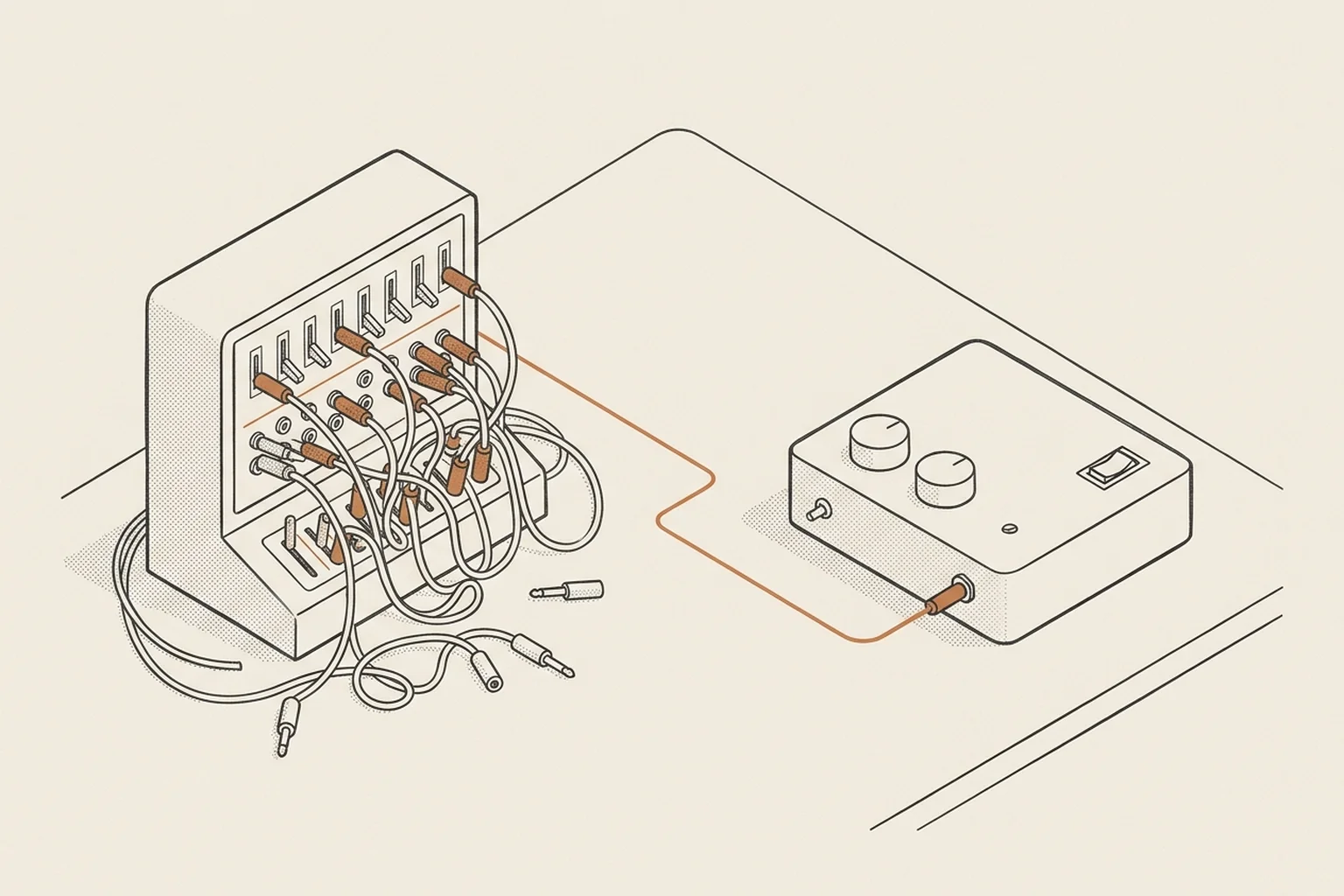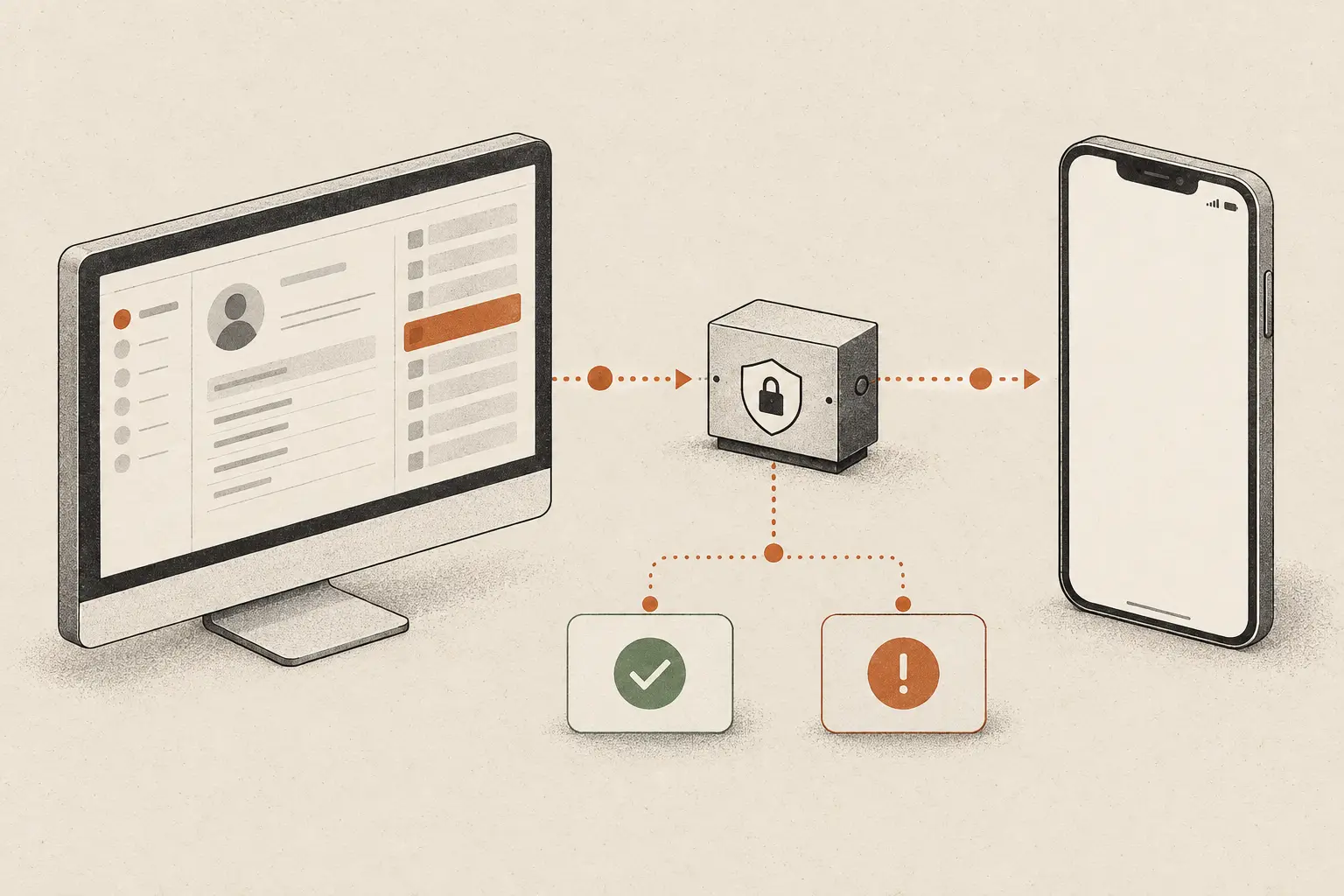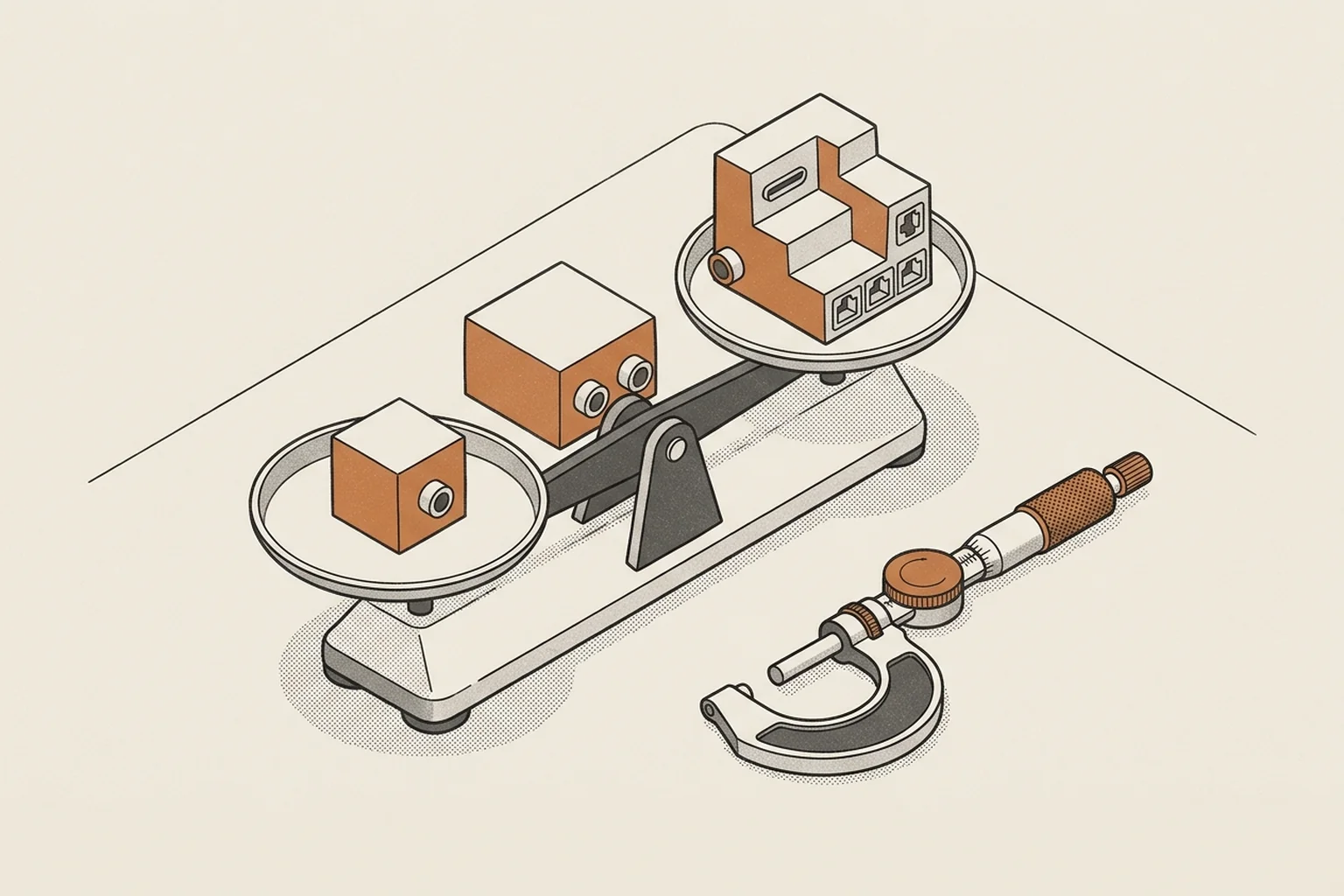
Custom AI agent development costs in 2026 range from €15,000 to over €65,000 depending on workflow complexity, system integrations, and production reliability requirements. The underlying language model accounts for less than 15% of the total budget. The remaining 85% goes into data pipelines, permission controls, API authentication, and operational error handling.
Executive Summary
- Scope Determines Cost: Simple single-source prototypes start at €15,000 - €35,000, while multi-system production agents with live business logic exceed €65,000.
- Integrations Drive Complexity: Connecting live tools like QuickBooks, ServiceTitan, Dentrix, or custom CRMs requires dedicated middleware, authentication, and state management.
- Production Reliability Requires Middleware: Robust agents rely on orchestration frameworks like n8n or FastAPI, backed by vector storage in PostgreSQL or Supabase.
- Fast Payback Cycles: Targeted workflow agents typically recover their development cost within 2 to 4 months by cutting manual processing times by 30% to 40%.
2026 AI Agent Pricing Matrix by Project Scope
Custom AI agent pricing breaks down into three distinct investment tiers based on business requirements, integrations, and operational risk.
| Implementation Tier | Typical Cost | Delivery Timeline | Architecture & Integrations | Best For |
|---|---|---|---|---|
| Focused Proof of Concept (PoC) | €15,000 - €35,000 | 2 - 4 weeks | Single knowledge base, basic prompting, prompt-level guardrails, mock data | Validating technical feasibility and core workflow logic |
| Operational MVP | €35,000 - €65,000 | 6 - 10 weeks | 1-2 live CRM/ERP integrations, n8n/FastAPI workflows, user roles, basic audit logs | Live pilot with internal teams and real operational data |
| Production Enterprise Agent | €65,000 - €160,000+ | 3 - 6 months | Multi-tool orchestration, persistent memory, granular permissions, automated fallback, CI/CD evals | Mission-critical operations, multi-department automation, customer-facing workflows |
Why Scope and System Integrations Drive AI Agent Costs
AI agent budgets scale with the number of touchpoints in your business operations rather than the choice of foundation model. A basic LLM call to Claude 3.5 Sonnet or GPT-4o costs pennies, but ensuring that the model accesses the correct database record, validates permissions, and handles edge cases reliably requires production engineering.
A simple assistant only answers queries from static documentation, as seen in our comparison of legacy enterprise bank chatbots vs modern AI agents. In contrast, a production-grade AI agent acts autonomously inside your business operations. It reads incoming customer inquiries, checks availability in your scheduling software, updates payment status in QuickBooks, and triggers SMS alerts via Twilio.
Every connected business system introduces specific engineering overhead:
- Authentication and Security: Implementing OAuth2 flows, API token rotations, and encrypted secret storage.
- Data Sanitization and Schema Validation: Cleaning unstructured inputs before passing them to the model to prevent prompt injection or schema mismatch.
- State Management: Tracking conversation history and transactional state across multi-step tasks using PostgreSQL or Supabase.
- Human-in-the-Loop Safeguards: Creating intuitive approval interfaces so human managers can review high-stakes actions before execution.
Technical Cost Breakdown Across the Three Tiers
Understanding what goes into each tier prevents budget overruns and aligns engineering effort with business value.
1. Focused Proof of Concept (€15,000 - €35,000)
A PoC proves whether an AI model can reliably solve a specific operational task. At this stage, development focuses on prompt architecture, retrieval accuracy, and output formatting against a narrow test dataset.
- Typical Stack: Python scripts, Claude 3.5 Sonnet, basic LangChain or LlamaIndex retrieval, local vector store.
- Data Sources: 1-3 static document sets (PDFs, spreadsheets, exported Notion pages).
- Limitations: No live bidirectional synchronization with production databases. Manual testing without automated continuous evaluation suites.
2. Operational MVP (€35,000 - €65,000)
An MVP embeds the AI agent into an active business workflow with real users. The focus shifts to system reliability, live API connectors, and user feedback capture.
- Typical Stack: n8n or Make.com for visual workflow orchestration, FastAPI backend, Supabase for relational data and embeddings, Slack or web widget UI.
- Integrations: Direct API connections to your CRM (HubSpot, Salesforce) or ticketing system (Zendesk, Jira).
- Security: Role-based access control (RBAC) ensuring employees only query data permitted by their organization level.
3. Production Enterprise Agent (€65,000+)
A production agent operates as a core component of your software infrastructure. It handles high query volumes, coordinates multiple specialized sub-agents, and includes enterprise-grade observability.
- Typical Stack: Dedicated microservices on containerized infrastructure (Docker on VPS/AWS), PostgreSQL with pgvector, OpenTelemetry logging, automated evaluation pipelines.
- Advanced Features: Cross-session persistent memory, autonomous tool calling across 5+ enterprise platforms, automated fallback to deterministic scripts or human supervisors on low confidence scores.
- Compliance & Auditing: Immutable audit logs of every model inference, prompt versioning, and strict data residency controls.
How to Automate This Manual Business Workflow
Automating complex business workflows requires a phased engineering approach that minimizes risk and delivers working software in weeks rather than months.
-
Step 1: Operational Workflow and Bottleneck Audit Identify the specific operational bottlenecks consuming over 10 hours of staff time weekly. Map every data field, approval rule, and edge case before writing code. Book a dedicated AI architecture audit or check our services to explore how we evaluate client workflows.
-
Step 2: Core Logic and Middleware Architecture Build the integration layer using n8n for scheduled background tasks and FastAPI for high-throughput API endpoints. Connect your database and configure webhook listeners for real-time event triggers.
-
Step 3: Retrieval and Guardrail Engineering Implement hybrid retrieval (keyword + vector embeddings) in PostgreSQL to ensure consistent domain context. Set up strict output validation schemas (Pydantic) to guarantee structured responses.
-
Step 4: Pilot Deployment with Human Oversight Deploy the agent in staging with a review queue. Department operators inspect recommendations before the agent executes write actions into live tools like QuickBooks or ServiceTitan.
-
Step 5: Monitoring and Continuous Refinement Track latency, token utilization, and user corrections. Fine-tune system prompts and retrieval parameters based on production edge cases.
What Are the Costs and ROI of Custom AI Agents?
Custom AI agents typically deliver full payback within 2 to 4 months by replacing repetitive manual tasks with instant background execution. The initial build cost (€15k to €65k+) is offset by immediate operational savings in labor hours, reduced error rates, and increased throughput.
- Logistics & Dispatch: A European freight brokerage with 40 dispatchers automated load matching and carrier status check-ins, reducing processing time from hours to under two minutes.
- Healthcare & Dental: A dental clinic group automated patient intake and appointment confirmations, recovering 25 staff hours per clinic weekly.
- Professional Services: Commercial firms automating document intake and matter indexing reduced turnaround times from 3 business days to under 4 hours.
For more real-world examples across healthcare, finance, legal, and manufacturing, explore our 50+ practical AI agent use cases.
Frequently Asked Questions
How much does it cost to build a custom AI agent from scratch?
A custom AI agent costs between €15,000 for a focused proof of concept and €65,000+ for an enterprise-ready system with live CRM integrations, persistent memory, and role-based permissions.
How to automate this manual business workflow with AI?
Start with an operational audit to map inputs, business rules, and software connections. Build lightweight middleware using n8n or FastAPI, connect your existing database, and implement human-in-the-loop approvals before allowing live write operations.
What are the ongoing maintenance costs of an AI agent?
Ongoing expenses include model API tokens (€80 - €700+/month), VPS hosting infrastructure (€35 - €200/month), and periodic updates to handle API changes and prompt adjustments.
ilf.studio - AI-native web studio, Gdansk, Poland.