A product already has an approved image, name, specifications and price. Yet many teams reconstruct that same information whenever they prepare a square post, a collection or a Story.
We built a small catalog-to-social generator to remove that production loop. It accepts one structured product record, applies reusable composition rules and produces several editable drafts from the same source. The useful part is not “AI writes a post.” It is that the team stops rebuilding information it already owns.
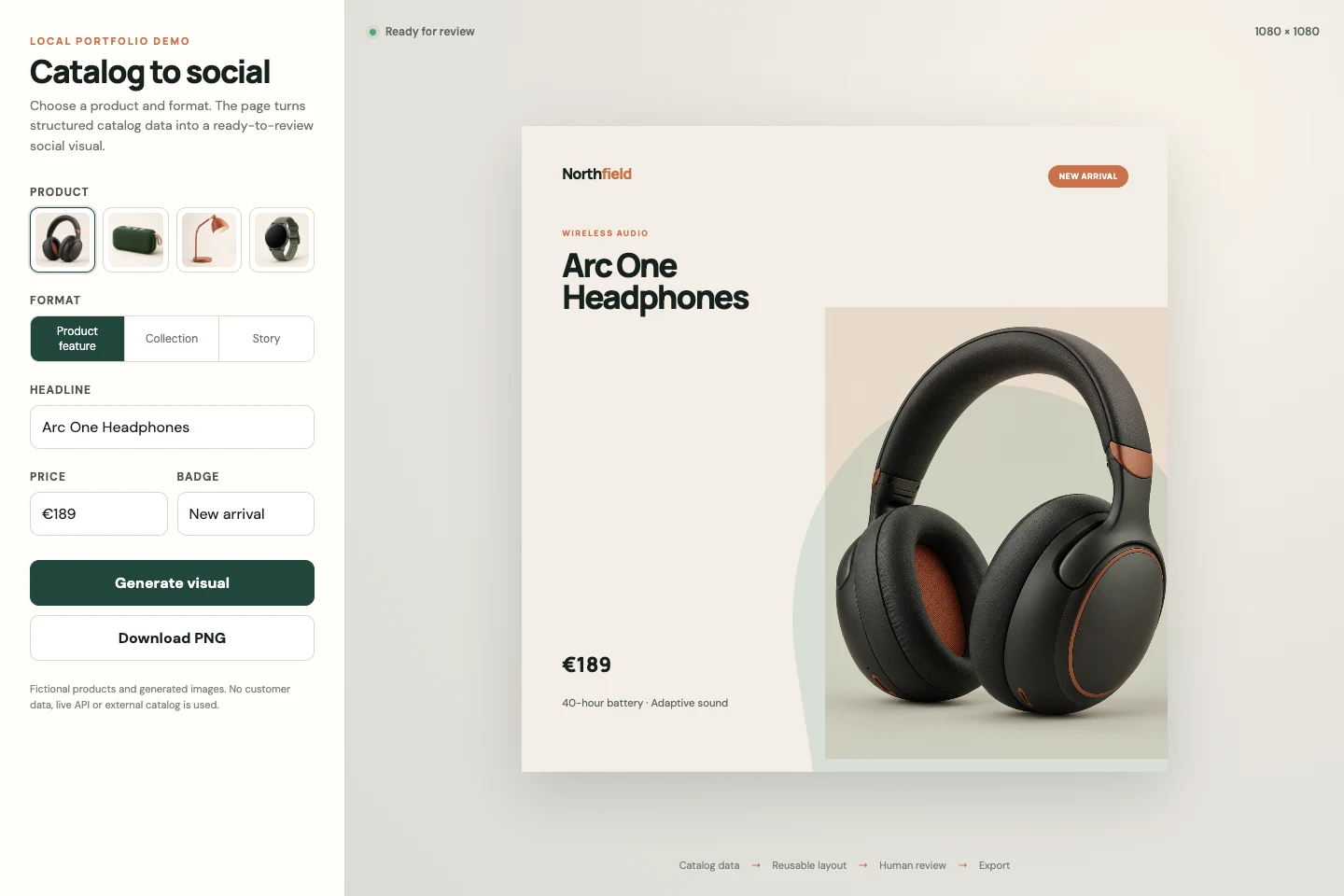
The public demo uses fictional products and local assets. It contains no client identity, private catalog data or production connection.
The operational problem
A typical product post requires a marketer to locate the current image, copy fields, fit them into a template, verify the offer and then repeat most of that work for every channel. Each operation is small; multiplied across a catalog, it becomes an expensive and error-prone content process.
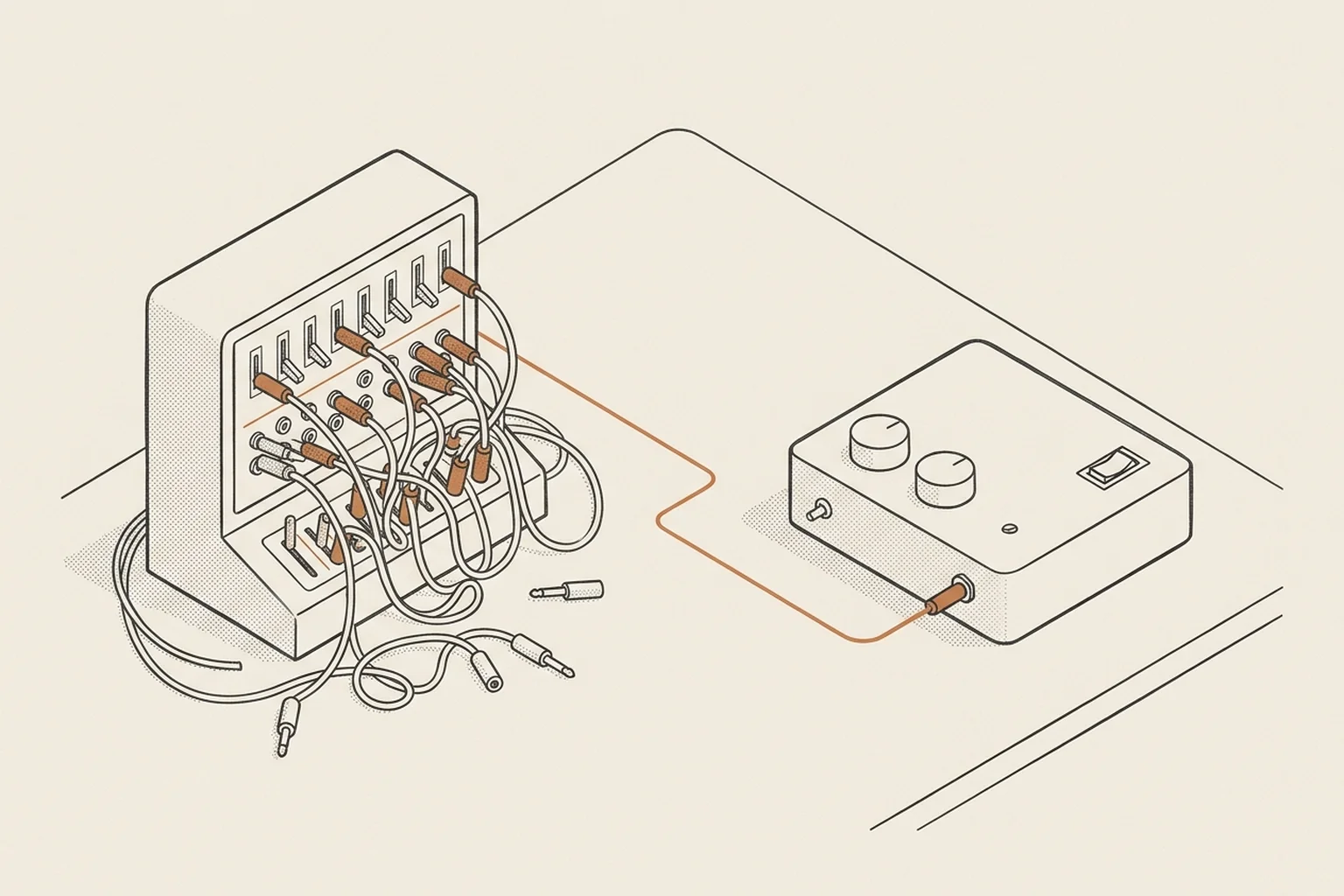
Manual production loop
RepeatedFind the image, copy the fields, rebuild the hierarchy and verify the same offer in each format.
- Duplicate assembly work
- Inconsistent names and prices
- Corrections repeated per channel
Reusable generator
ControlledOne approved record feeds channel-specific layouts while every field remains reviewable.
- Single structured source
- Format-aware composition
- Review before every export
How the generator works
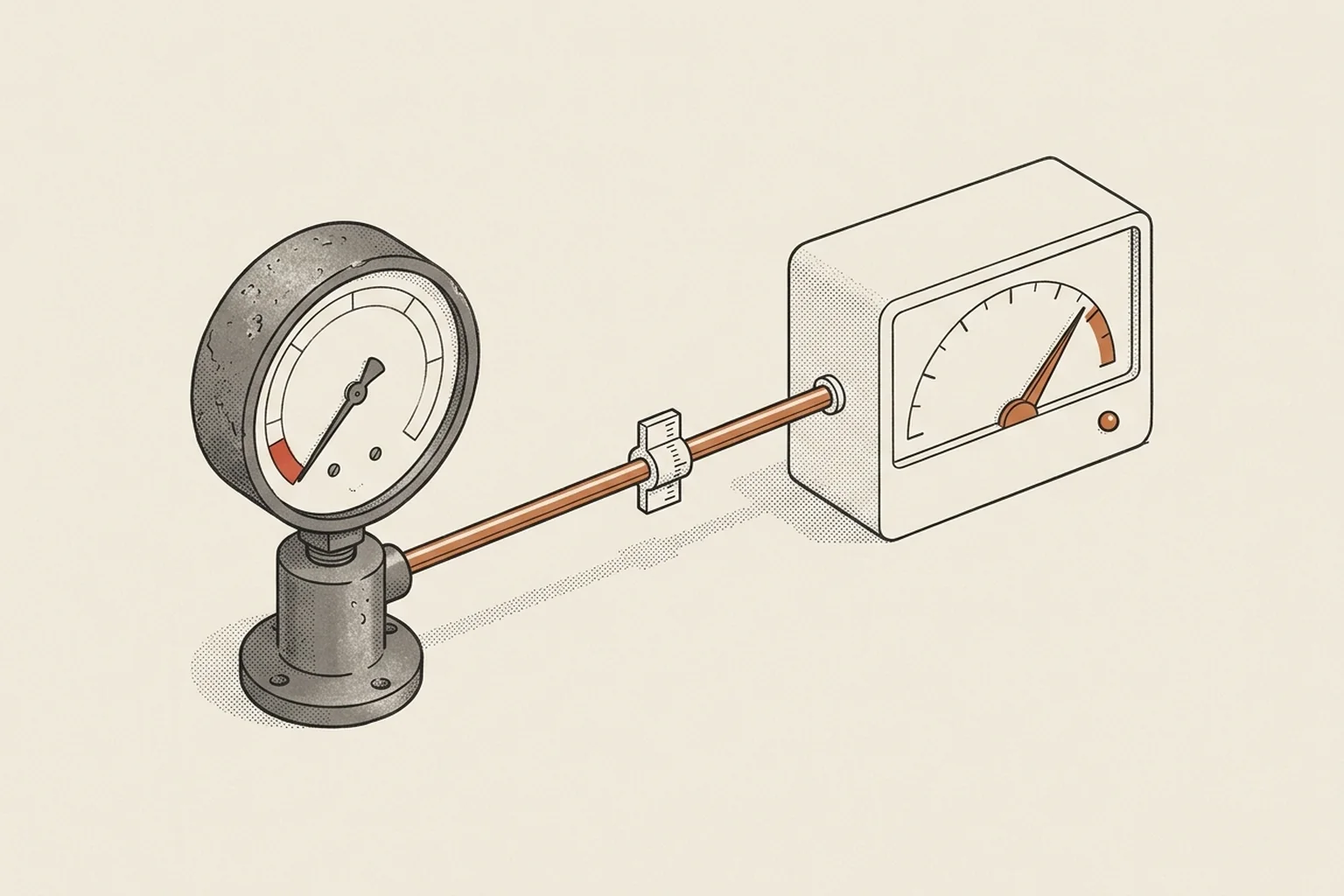
The system separates source data from presentation. A product record contains the approved image, name, price, attributes and campaign label. Layout rules decide how those fields behave in a square feature, a multi-product collection and a vertical Story.

What remains human
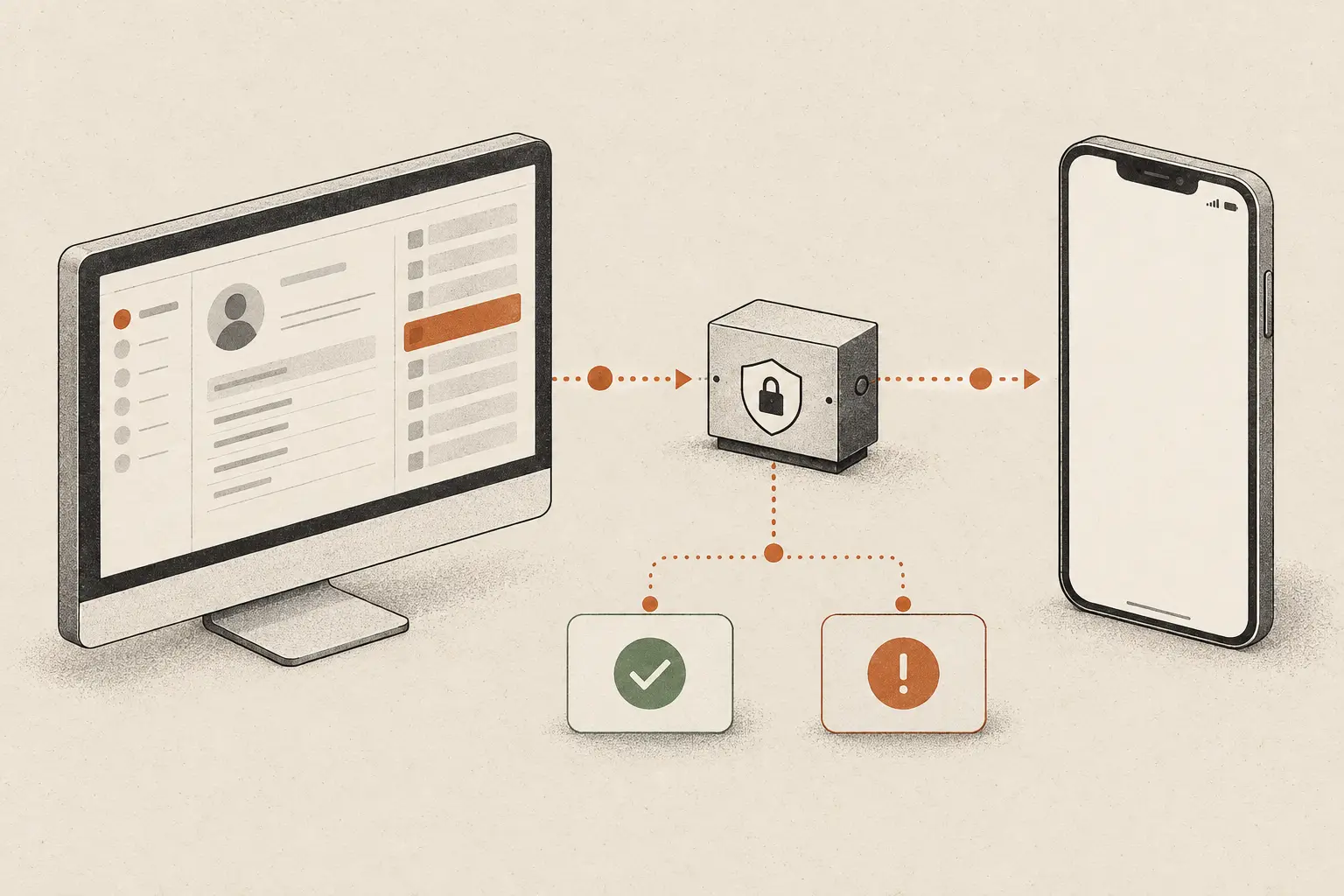
Automation transfers reliable data and applies deterministic layout rules. It should not decide which product deserves attention, whether a price is commercially approved, or whether a headline overpromises. Those are business decisions.
Our approval boundary is therefore simple:
| Generator handles | Person approves |
|---|---|
| Field transfer and formatting | Product and campaign selection |
| Format-specific hierarchy | Price and offer validity |
| Repeated visual rules | Claims, tone and brand fit |
| Export dimensions | Final publish decision |

Why the public demo is fictional
A useful portfolio case should prove the interaction without exposing the company behind it. The demo preserves the workflow and replaces every sensitive layer: customer identity, real products, production endpoints, authentication, internal IDs and campaign data.
That distinction matters. A synthetic demonstration is evidence of the product logic, not a claim that its fictional posts ran in a real campaign.
What to measure next
The current operational estimate is about 8 hours saved per week across the three recurring social formats. A defensible baseline still compares one complete production cycle before and after the generator: source verification, assembly, correction, review and export across the formats actually used.
This type of system is strongest when a team publishes repeatedly, owns reliable structured data and uses a limited visual system. If every campaign is uniquely art-directed, the reusable layer should assist rather than replace the designer.
If your team rebuilds the same catalog information for every channel, we can map one representative product and show exactly which steps are worth automating. Explore our AI automation services or request a focused workflow audit.