What Is Agentic AI and Why Are Autonomous Use Cases Exploding?
Agentic AI refers to autonomous software systems that evaluate business goals, break complex objectives into multi-step execution plans, call external APIs, and execute decisions without step-by-step human prompting. Unlike traditional chatbots that only generate static text replies (see our analysis on why legacy enterprise chatbots fail vs modern AI agents), an autonomous AI agent connects directly to production databases, enterprise CRMs, payment gateways, and ERP systems to complete end-to-end business workflows.
Executive Summary
- From Text Prompts to Tool Execution: Agentic AI moves beyond conversational chatbots by giving LLMs execution permissions to read databases, trigger webhooks, and execute API transactions across business software.
- Cross-Industry Operational Impact: 54 proven use cases across 10 major industries demonstrate 40% to 70% reductions in manual processing time and operational costs.
- Production Architecture Requirements: Enterprise agents rely on orchestrators like n8n and FastAPI, state persistence in PostgreSQL or Supabase, and deterministic validation schemas.
- Rapid Payback Cycles: Targeted workflow automation typically pays for itself within 2 to 4 months by eliminating error-prone manual data transfers between disconnected SaaS tools.
2026 AI Agent Industry Impact & Architecture Matrix
Deploying AI agents across enterprise operations delivers measurable efficiency gains when paired with the right middleware and data integrations.
| Industry Vertical | Core Automation Stack | Primary Agent Capability | Measurable Operational ROI |
|---|---|---|---|
| Banking & Finance | FastAPI, PostgreSQL, Claude 3.5 Sonnet | Real-time fraud detection and automated dispute resolution | 30% reduction in fraud losses, 80% faster dispute closure |
| Healthcare & Clinics | n8n, Supabase, Twilio, Dentrix/Epic | Care coordination and 24/7 patient intake triage | 15+ hours saved weekly per clinic, 90-second intake |
| Retail & E-Commerce | Make.com, Shopify API, GPT-4o, Vector Search | Dynamic pricing, catalog RAG, and automated returns | 35% higher recommendation conversions, zero stockouts |
| Manufacturing | Python, ServiceTitan/ERP, TimescaleDB | IoT predictive maintenance and dynamic shift scheduling | 35% lower inventory holding costs, 40% less downtime |
| Legal & Compliance | LangChain, PostgreSQL, Claude 3.5 Sonnet | Contract risk analysis and automated precedent extraction | Turnaround dropped from 3 days to under 4 hours |
| IT & DevOps | FastAPI, Datadog API, Slack Bot, Docker | AIOps log correlation and automated employee onboarding | 70% faster incident resolution, instant password resets |
50+ Real-World AI Agent Applications Across 10 Industries
The following 54 production use cases show how businesses deploy AI agents to replace manual bottlenecks with automated background execution.
1. AI Agents in Banking, Finance & FinTech
Financial institutions deploy autonomous agents to process high-volume transactions, enforce regulatory compliance, and eliminate latency in customer service.
- Real-Time Fraud Detection & Anomaly Prevention: Agents analyze live transaction streams using FastAPI and vector similarity scoring to detect abnormal spending behaviors. Suspicious activities trigger instant card freezes and customer SMS verification before funds leave the account.
- Automated Wealth Management & Financial Advising: AI agents evaluate personal risk profiles, investment goals, and cash flow to generate custom portfolio rebalancing recommendations, making wealth planning accessible at scale.
- Automated Billing & Invoice Reconciliation: Ingest incoming vendor invoices, parse line items with multimodal vision models, match them against purchase orders in QuickBooks or NetSuite, and flag pricing discrepancies automatically.
- Loan & Credit Underwriting Assistance: Ingest applicant documentation, calculate debt-to-income ratios, run automated credit bureau checks, and produce pre-underwriting risk dossiers for human loan officers in minutes.
- Autonomous Transaction Dispute Resolution: Match disputed merchant charges with geolocation data, digital receipts, and bank interchange rules to process valid chargeback claims and initiate provisional refunds without manual back-and-forth.
Explore how our services help financial operations automate high-stakes transaction pipelines.
2. AI Agents in Medicine & Healthcare Services
Healthcare networks and clinical practices use AI agents to streamline patient administration, improve diagnostic triage, and remove administrative burdens from medical staff.
- Multi-Provider Patient Care Coordination: Consolidate medical records from disparate health networks, track treatment plan milestones, and trigger automated follow-up check-ins via Twilio.
- Clinical EHR Data Normalization & Analysis: Parse unstructured doctor notes, lab PDFs, and diagnostic charts into structured PostgreSQL schemas to expedite insurance approvals and eliminate data silos.
- Diagnostic Pre-Screening & Triage Assistance: Analyze radiological scans and patient intake questionnaires with multimodal models to flag critical abnormalities for immediate physician review.
- Predictive Hospital Readmission Analytics: Monitor post-discharge patient metrics and vital trends to predict complication risks, alerting clinical teams before emergency readmissions occur.
- 24/7 HIPAA-Compliant Virtual Health Assistants: Provide patients with verified dosage instructions, symptom check-in workflows, and prescription refill guidance through secure messaging channels.
- Automated Appointment Intake & Schedule Optimization: Integrate directly with scheduling software like Dentrix or Epic to handle cancellations, fill empty slots from waitlists, and send automated prep instructions.
Read our dedicated blueprints in our solutions catalog to see live clinical automation architectures.
3. AI Agents in Retail & E-Commerce Operations
E-commerce brands and omnichannel retailers implement AI agents to personalize shopper journeys, balance supply chains, and operate customer support around the clock.
- Hyper-Personalized Shopping Assistants: Connect vector databases to customer browsing sessions to recommend complementary products based on real-time intent rather than static purchase history.
- Instant Product Specification & Fitment Inquiries: Ingest complex technical catalogs into a vector store (pgvector), allowing shoppers to ask detailed compatibility questions and get accurate answers instantly.
- Demand-Driven Inventory Forecasting: Analyze historical seasonal curves, regional purchasing spikes, and supplier lead times to trigger automated restock purchase orders before stockouts hit.
- Algorithmic Dynamic Pricing & Margin Control: Monitor competitor pricing feeds, inventory turnover rates, and supplier price fluctuations to adjust retail pricing while preserving gross margins.
- Autonomous Omnichannel Customer Support: Resolve order tracking inquiries, process exchange requests, and generate return shipping labels in Shopify or WooCommerce without human rep involvement.
- Warranty Claims & Service Request Automation: Validate customer purchase dates, verify warranty coverage rules against serial numbers, and route repair tickets directly to authorized service centers.
See our blueprints for high-volume ecommerce automation.
4. AI Agents in Manufacturing & Industrial Services
Manufacturers rely on AI agents to maintain equipment uptime, balance raw material inventories, and maintain strict quality standards on the factory floor.
- Raw Material Demand Forecasting: Correlate incoming sales orders with bill-of-materials (BOM) data to optimize raw inventory purchasing, cutting warehouse holding costs by up to 35%.
- IoT-Driven Predictive Maintenance: Ingest continuous telemetry feeds (vibration, temperature, RPM) from factory machinery to detect mechanical degradation and schedule maintenance in ServiceTitan before equipment failure occurs.
- Computer Vision Quality Inspection: Deploy edge vision models over assembly line cameras to spot microscopic defects, paint inconsistencies, and structural flaws in real time.
- Supply Chain Delay Mitigation: Monitor global shipping APIs and freight tracker feeds to detect supplier delays early and automatically recalculate production assembly sequences.
- Dynamic Factory Floor Scheduling: Rebalance machine assignments and technician shifts automatically whenever unexpected machine downtime or urgent customer orders occur.
5. AI Agents in Marketing & Social Media Operations
Agencies and marketing teams leverage AI agents to scale content distribution, monitor brand reputation, and maximize return on ad spend.
- Multi-Channel Content Generation & Scheduling: Transform raw audio, video transcripts, or technical release notes into platform-optimized LinkedIn posts, X threads, and newsletter drafts.
- Real-Time Audience Comment & Lead Triage: Monitor social comment sections, answer product inquiries with grounded context, and push high-intent commercial leads straight into HubSpot.
- Social Listening & Brand Sentiment Tracking: Track brand keywords across social platforms and industry forums, classifying sentiment trends and alerting leadership to potential PR issues in minutes.
- Automated Community Moderation: Filter out spam comments, phishing links, and abusive interactions across brand channels using strict classifier guardrails.
- Paid Campaign Budget Optimization: Analyze ad set performance across Meta Ads and Google Ads to shift daily budgets toward top-converting audiences and pause failing ad creatives.
Check our specialized workflows for marketing agencies.
6. AI Agents in Travel, Tourism & Hospitality
Travel providers and hotel networks use AI agents to automate custom itinerary planning, handle booking changes, and deliver personalized digital concierge services.
- Personalized Travel Itinerary Generation: Build multi-day travel plans customized for budget, dietary preferences, and travel party size, complete with booking links and local activity suggestions.
- Autonomous Booking & Ticket Modifications: Connect directly to airline and hotel reservation APIs to process flight changes, room upgrades, and cancellations within seconds.
- 24/7 Digital Guest Concierge: Answer guest inquiries regarding check-in door codes, Wi-Fi passwords, parking logistics, and local dining recommendations via WhatsApp or SMS.
- Housekeeping & Turnover Scheduling: Sync housekeeping dispatch schedules with live guest checkout events, ensuring rapid room preparation for early arriving guests.
- Demand-Based Staffing & Yield Management: Forecast guest arrival volume from regional flight data to adjust front-desk staffing and optimize nightly room rates in real time.
7. AI Agents in Legal Services & Corporate Compliance
Legal teams and law firms deploy agents to accelerate document discovery, audit complex contracts, and eliminate administrative overhead.
- Precedent Discovery & Legal Research: Query thousands of case law filings and statutory codes to summarize relevant precedents and extract winning judicial arguments in minutes.
- Automated Contract Review & Risk Auditing: Review non-disclosure agreements, master service agreements, and vendor contracts against corporate legal standards, flagging non-standard liability clauses.
- Predictive Litigation Analytics: Analyze past rulings by specific judges and jurisdictions to evaluate settlement probabilities and guide litigation strategy.
- Client Intake & Conflict Check Automation: Run automated conflict-of-interest checks across historical client databases and draft tailored engagement letters for new clients.
Discover how we build custom agents for legal services.
8. AI Agents in Education & Corporate Training
Educational platforms and enterprise L&D departments use AI agents to provide personalized instruction, grade coursework, and simplify administrative operations.
- Adaptive Personalized Learning Paths: Adjust curriculum pacing and supplementary reading materials based on individual student assessment scores and learning speed.
- Real-Time Interactive AI Tutoring: Walk students through coding exercises, mathematical proofs, and scientific concepts with step-by-step Socratic guidance.
- Automated Grading & Formative Feedback: Evaluate student essays and technical assignments against structured rubrics, delivering detailed feedback and grammar analysis instantly.
- 24/7 Student Advisory & Onboarding: Answer prospective student questions regarding tuition, course prerequisites, visa documentation, and campus housing.
- Academic Records & Transcript Automation: Extract and verify course transfer credits from external university transcripts into institutional student information systems (SIS).
- Student Retention & Engagement Monitoring: Track student platform activity to identify struggling learners early, alerting academic advisors before students drop out.
9. AI Agents in IT Support & DevOps Operations
IT departments and managed service providers deploy autonomous agents to accelerate incident resolution, enforce cybersecurity standards, and streamline user onboarding.
- Automated Technical Troubleshooting: Walk end-users through step-by-step diagnostic workflows for software errors, VPN configurations, and application permissions.
- Hardware Health Monitoring & Fleet Maintenance: Track employee laptop disk health, battery degradation, and missing security patches to trigger automated service tickets before hardware fails.
- Network Connectivity & Infrastructure Monitoring: Monitor internal DNS, API endpoints, and cloud load balancers, notifying on-call engineers in Slack the second downtime begins.
- Automated Employee Onboarding & Account Provisioning: Provision Google Workspace, GitHub, Slack, and corporate SaaS accounts automatically upon HR contract signing.
- Self-Service Password Reset & Identity Verification: Verify employee identity through multi-factor authentication (MFA) and securely reset enterprise passwords without human helpdesk intervention.
- AIOps Incident Remediation: Parse server log spikes using Claude 3.5 Sonnet or GPT-4o, pinpoint root causes, and execute predefined container restart scripts automatically.
See how our solutions catalog pairs recruitment workflows with automated IT provisioning.
10. AI Agents in Insurance Services & Risk Assessment
Insurance carriers and independent brokerages use AI agents to accelerate claims payouts, evaluate risk models, and review complex policy documentation.
- End-to-End Automated Claims Processing: Ingest accident photos, damage repair estimates, and police reports to validate policy coverage and issue instant approval for straightforward claims.
- Multi-Source Actuarial Risk Analysis: Combine historical claims databases with telematics and geospatial flood maps to price coverage options accurately.
- Commercial Policy Underwriting Acceleration: Ingest prospective client financial audits and safety records, producing comprehensive loss-ratio forecasts for underwriters in under ten minutes.
- 24/7 Policyholder Inquiry Handling: Answer policyholder questions about deductibles, coverage riders, and certificate of insurance (COI) generation instantly.
- Insurance Fraud & Anomaly Detection: Detect staged accidents, fraudulent billing codes, and duplicate damage claims across multi-carrier databases using graph neural network patterns.
- Policy Coverage Gap Analysis: Compare existing commercial policies against operational business risks to recommend missing liability and cyber insurance riders.
Technical Architecture: How Autonomous AI Agents Work Under the Hood
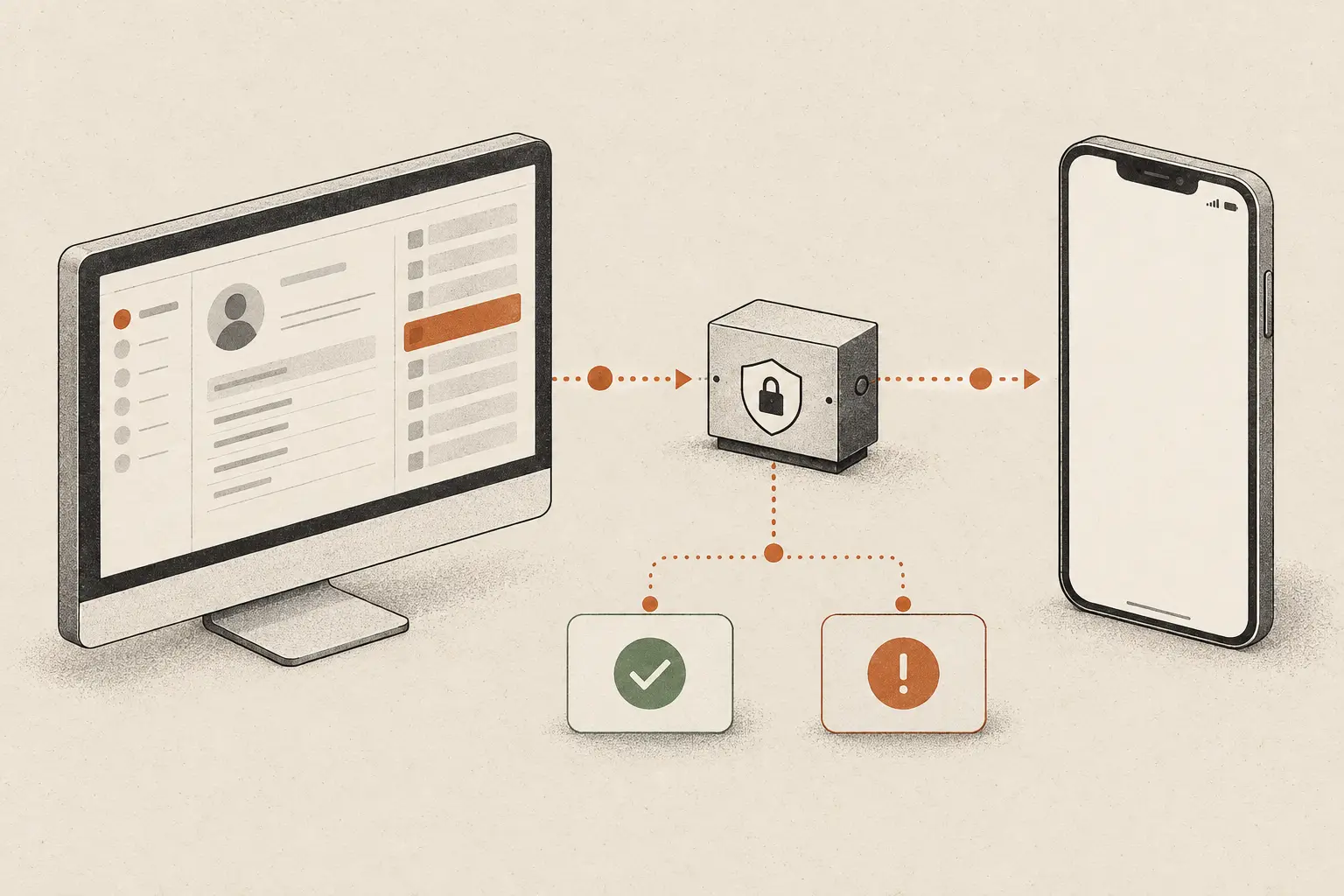
A production-grade AI agent is not a simple prompt wrapper. It operates as an event-driven system connecting reasoning engines with enterprise data layers.
- Trigger & Ingestion: The agent receives structured or unstructured data via webhooks, emails, SMS, or API calls.
- Context Retrieval & Memory: Middleware queries PostgreSQL or Supabase for relational customer records and semantic embeddings (pgvector).
- Reasoning & Tool Selection: The foundation model analyzes the objective, selects appropriate tools, and formats structured API payloads using strict Pydantic schemas.
- Execution with Safeguards: High-confidence actions execute directly in production systems (updating QuickBooks, dispatching Twilio alerts). High-risk transactions route to an internal dashboard for human manager approval.
- Continuous State Logging: Every execution step, model token count, and system response is logged to an immutable audit trail for compliance and performance monitoring.
Frequently Asked Questions
What is agentic AI use cases?
Agentic AI use cases represent practical business applications where autonomous AI systems plan, reason, and execute multi-step workflows across external tools without requiring continuous human input. These use cases include automated fraud detection, real-time clinical care coordination, predictive machinery maintenance, and dynamic e-commerce pricing.
How do AI agents differ from traditional AI chatbots?
Traditional chatbots only generate text responses based on static training data or simple search retrieval. AI agents have execution capabilities: they use function calling and API integrations to read and write data in production systems like CRMs, databases, accounting software, and communication channels.
Which tools are best for building enterprise AI agents?
Production enterprise agents typically combine foundation reasoning models (Claude 3.5 Sonnet, GPT-4o) with visual workflow orchestrators like n8n or Make.com, high-performance backends (FastAPI), relational vector storage (PostgreSQL with pgvector or Supabase), and secure communication APIs (Twilio, SendGrid).
How quickly can a business deploy an AI agent?
A focused proof-of-concept (PoC) takes 2 to 4 weeks. An operational minimum viable product (MVP) integrated with 1-2 core enterprise platforms requires 6 to 10 weeks. Enterprise-scale agentic deployments with multi-agent orchestration and compliance logging take 3 to 5 months. For a full breakdown of budgets and scope tiers, see our guide on custom AI agent development costs in 2026.
What ROI can companies expect from AI agent automation?
Most companies achieve full payback within 2 to 4 months. Business impact includes a 40% to 70% reduction in manual data processing time, 30% lower operational error rates, and 24/7 responsiveness across customer-facing channels.
Deploy Custom AI Agents Tailored to Your Business Workflows
Eliminate manual data entry, reduce operational overhead, and connect your business systems with robust, production-tested AI agents. Book an AI architecture audit to diagnose operational bottlenecks or explore our AI automation services to discover where agentic automation will drive the highest ROI in your operations.
ilf.studio - AI-native web studio, Gdansk, Poland.