Most companies adopting AI agents in 2026 still rely on managed cloud platforms. While signing up for an off-the-shelf cloud assistant takes 5 minutes, enterprise reality quickly sets in:
- Sensitive client communications, CRM records, and trade credentials flow through multi-tenant US cloud servers.
- Platform outages take your operational bots offline with zero recourse.
- Monthly subscription fees escalate linearly as your agent handles more tool calls and scheduled background tasks.
When we engineered our autonomous server assistant, Hermes Agent, we designed it from day one as a self-hosted, containerized system on our own Hetzner VPS.
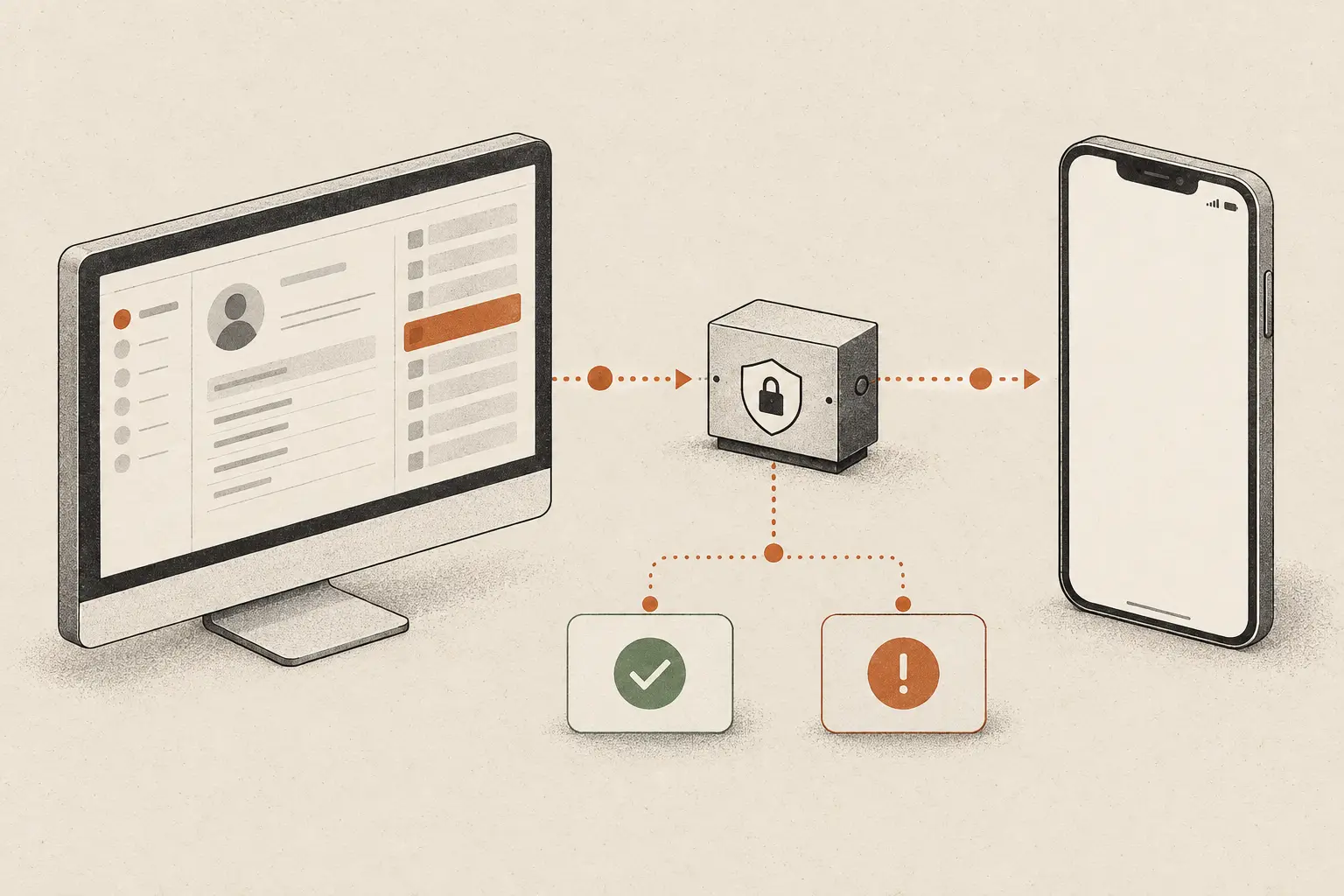
Operating in an isolated Docker container with process supervision and private volume mounts, it runs 24/7, executes scheduled background maintenance, and connects securely via Telegram and Traefik SSL with zero third-party platform lock-in.
Executive Summary
- The Security Imperative: why sensitive business workflows must not live in multi-tenant SaaS clouds.
- The Self-Hosted Architecture: Docker, s6-overlay supervision, persistent host volumes, and Traefik reverse proxying.
- Multi-Model Resilience: switching between Gemini, Claude, and local open-weight models without refactoring business logic.
- Operational Costs: running an always-on autonomous agent on a €6/month VPS versus $250+/month cloud agent suites.
- Production Security Rules: strict isolation, read-only system boundaries, and preventing rogue command execution.
1. The Cloud SaaS Trap for Autonomous Agents
Autonomous agents are not simple chatbots; they read files, run shell commands, interact with databases, and dispatch webhooks. Entrusting those capabilities to a third-party SaaS introduces massive attack surfaces:
- Data Leakage & Compliance Violations: Under European GDPR and strict privacy regulations, piping client contact information and internal business logic through third-party SaaS clouds violates compliance mandates.
- Arbitrary Pricing Increases: Cloud agent providers monetize via usage markups, often charging a 300% to 500% premium over raw LLM token costs.
- Vendor Shutdown Risk: If the cloud provider changes their API terms or shuts down, your core business automations vanish overnight.
By hosting your agent in a Docker container on your own dedicated virtual server, you retain 100% data sovereignty.
2. Production Architecture: Supervision & Isolation
A production server assistant cannot crash and remain offline. If a memory leak or network timeout occurs, the process must recover instantly without human intervention.
We utilize s6-overlay inside our Docker container to run a robust dual-service supervision tree:
Docker Container "hermes-agent" (Hetzner VPS)
   ├─► s6-overlay Supervision Tree
   │     ├─ Service 1: Gateway API & Tool Dispatcher (Port 8642)
   │     └─ Service 2: Web Dashboard & Monitoring (Port 9119)
   ├─► Persistent Volume /opt/data
   │     ├─ memory/ (Persistent vector notes & long-term state)
   │     ├─ sessions/ (SQLite conversation history)
   │     └─ skills/ (Executable domain capabilities)
   └─► Traefik Edge Router (Let's Encrypt SSL, Basic Auth Protection)
Docker Compose Configuration
version: '3.8'

services:
  hermes-agent:
    image: hermes-agent:latest
    container_name: hermes-agent
    restart: always
    environment:
      - TELEGRAM_BOT_TOKEN=${TELEGRAM_BOT_TOKEN}
      - TELEGRAM_ALLOWED_USERS=${TELEGRAM_ALLOWED_USERS}
      - OPENAI_API_KEY=${OPENAI_API_KEY}
    volumes:
      - ./data:/opt/data
      - ./logs:/var/log/hermes
    networks:
      - coolify
    labels:
      - "traefik.enable=true"
      - "traefik.http.routers.hermes.rule=Host(`hermes.yourdomain.com`)"
      - "traefik.http.routers.hermes.entrypoints=https"
      - "traefik.http.routers.hermes.tls=true"
      - "traefik.http.routers.hermes.tls.certresolver=letsencrypt"
3. Strict Safety Guardrails for Server Assistants
Allowing an AI model to execute shell commands requires rigorous safety boundaries. We enforce 3 non-negotiable operational guardrails:
- Restricted User Whitelist: The Telegram bot gate strictly checks incoming user IDs (
TELEGRAM_ALLOWED_USERS). Unauthorized messages are silently dropped before any model inference occurs. - Protected Production Core: Core infrastructure containers (
traefik,coolify-db, production databases) are explicitly marked as untouchable in agent system prompts and execution wrappers. - No Destructive Commands: Commands containing
rm -rf /,docker system prune -a --volumes, or unconfirmed container termination are blocked at the tool execution layer.
4. Cost & Performance Comparison
| Operational Factor | Enterprise Cloud SaaS Agent | Self-Hosted Docker VPS |
|---|---|---|
| Monthly Infrastructure Base | $120 – $350 / month | €5.50 – €12 / month |
| Token Markups | 200% – 500% over provider rates | 0% (Direct provider billing) |
| Data Privacy (GDPR) | Multi-tenant US servers | Dedicated EU Datacenter (Hetzner) |
| Uptime Guarantee | Dependent on SaaS status | Full control over restarts & failovers |
| Custom Tool Extensibility | Limited to SaaS marketplace | Unlimited (Any Python/Node script) |
Key Takeaways for Businesses
- Private infrastructure is the only viable path for sensitive operations: If an agent handles client data, it belongs on a dedicated, isolated server you control.
- Docker plus process supervision equals zero-maintenance uptime: Containers managed by s6-overlay or systemd run for months without manual intervention.
- SaaS agent markups are unnecessary: A €6/month virtual server running containerized AI delivers higher speed, total privacy, and massive cost savings.