The End of Manual Content Editing
Every website should definitely be editable via AI in 2026.
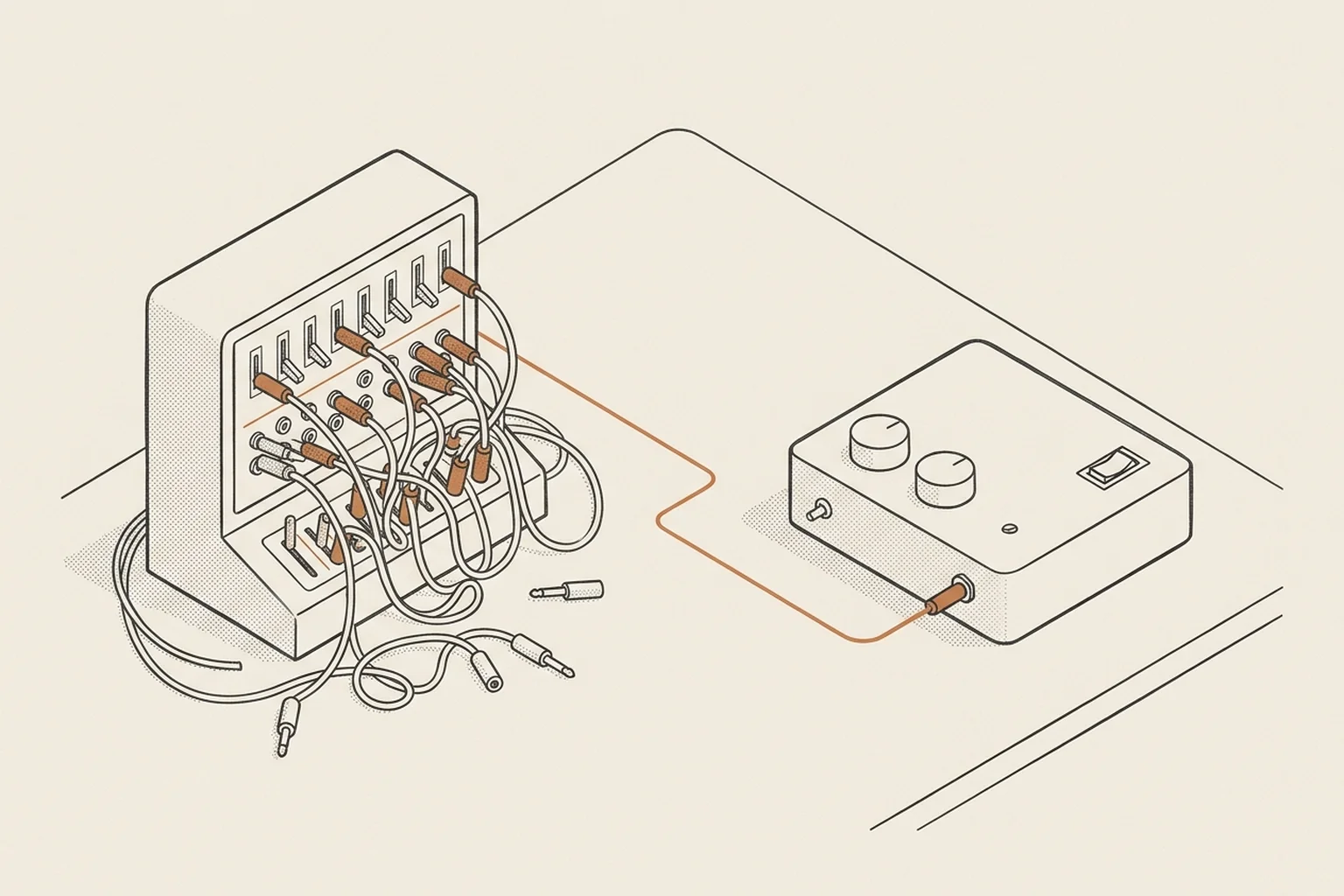
Not long ago, I wrote a post saying that CMSs, specifically Drupal, became a bottleneck in 2026 instead of a helper, and I received plenty of backlash.
For development, yes, in most cases CMSs and frameworks provide clarity and a clear structure. But when it comes to editing and creating pages, I don’t understand why anyone would do anything manually anymore. Delegating this to AI saves time and eliminates boring admin tasks.
My Solution: A Site-Specific MCP
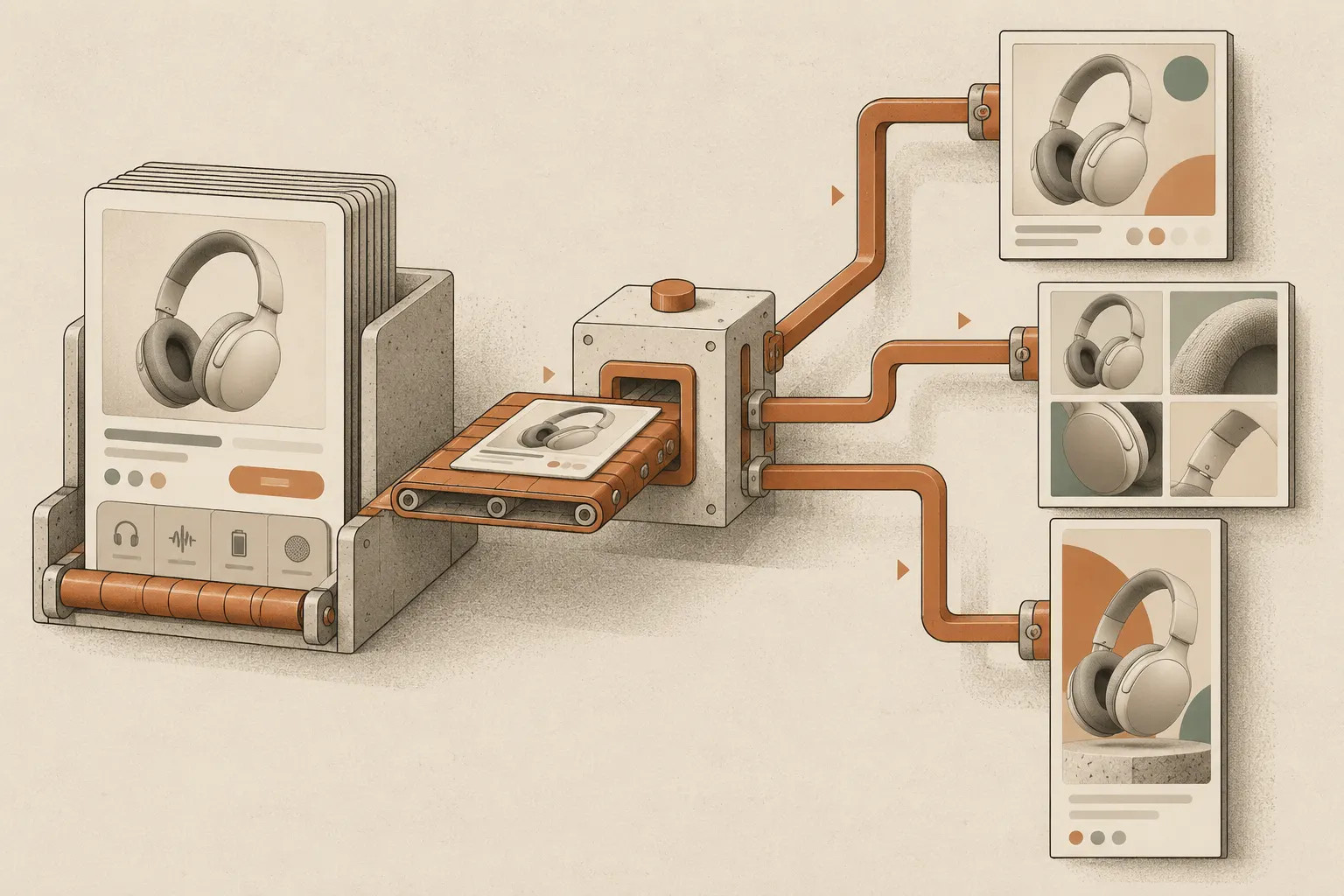
My solution is to build a Model Context Protocol (MCP) server for every website. Put simply, I build an API-driven interface for each site so I can ask the AI to add a new page, change things around, upload photos, or do whatever I need.
Now, instead of logging into an admin panel, navigating nested menus, and filling out forms, I explain what is needed directly in the chat:
- “Create a page about our new service, here is the draft.”
- “Update the pricing list and change the contact info.”
- “Find some relevant images and upload them.”
The AI handles the API calls, structures the layout, formats the text, and updates the database. If I need to make minor adjustments, I can do them through the UI, but the heavy lifting is completely automated.
How to Set It Up
Getting this to work is much easier than it looks:
- If you have a custom project: Use Claude Code to write API endpoints for content management, then wrap them in a custom MCP server.
- If you are using a ready-made CMS: Have Claude Code analyze the system’s existing REST or GraphQL APIs, then write an MCP adapter to bridge the connection.
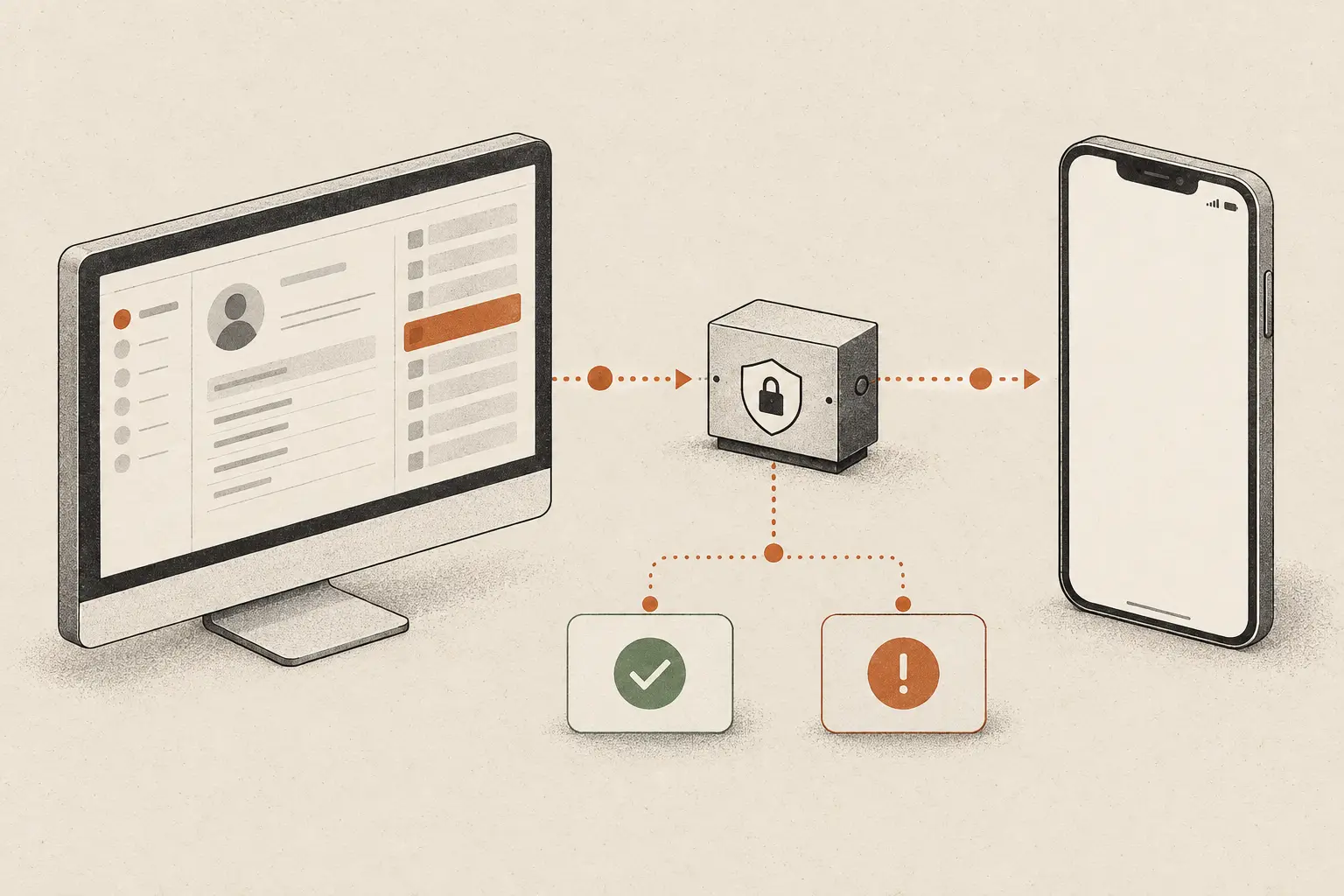
Naturally, security is important. You shouldn’t allow deleting all content at once or removing critical sections. But managing standard content is an absolute must in 2026.
ilf.studio, AI-native web studio, Gdansk, Poland.