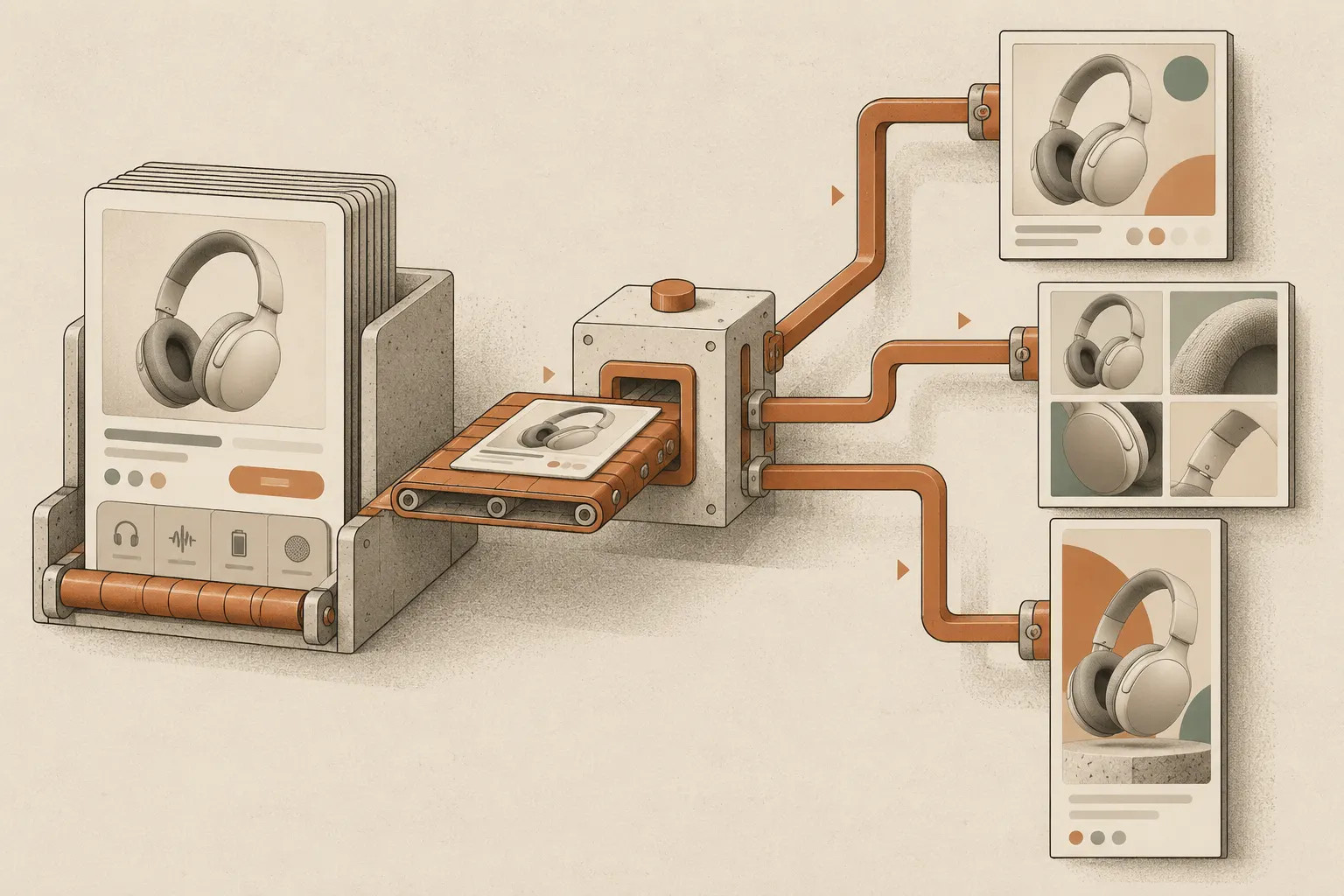
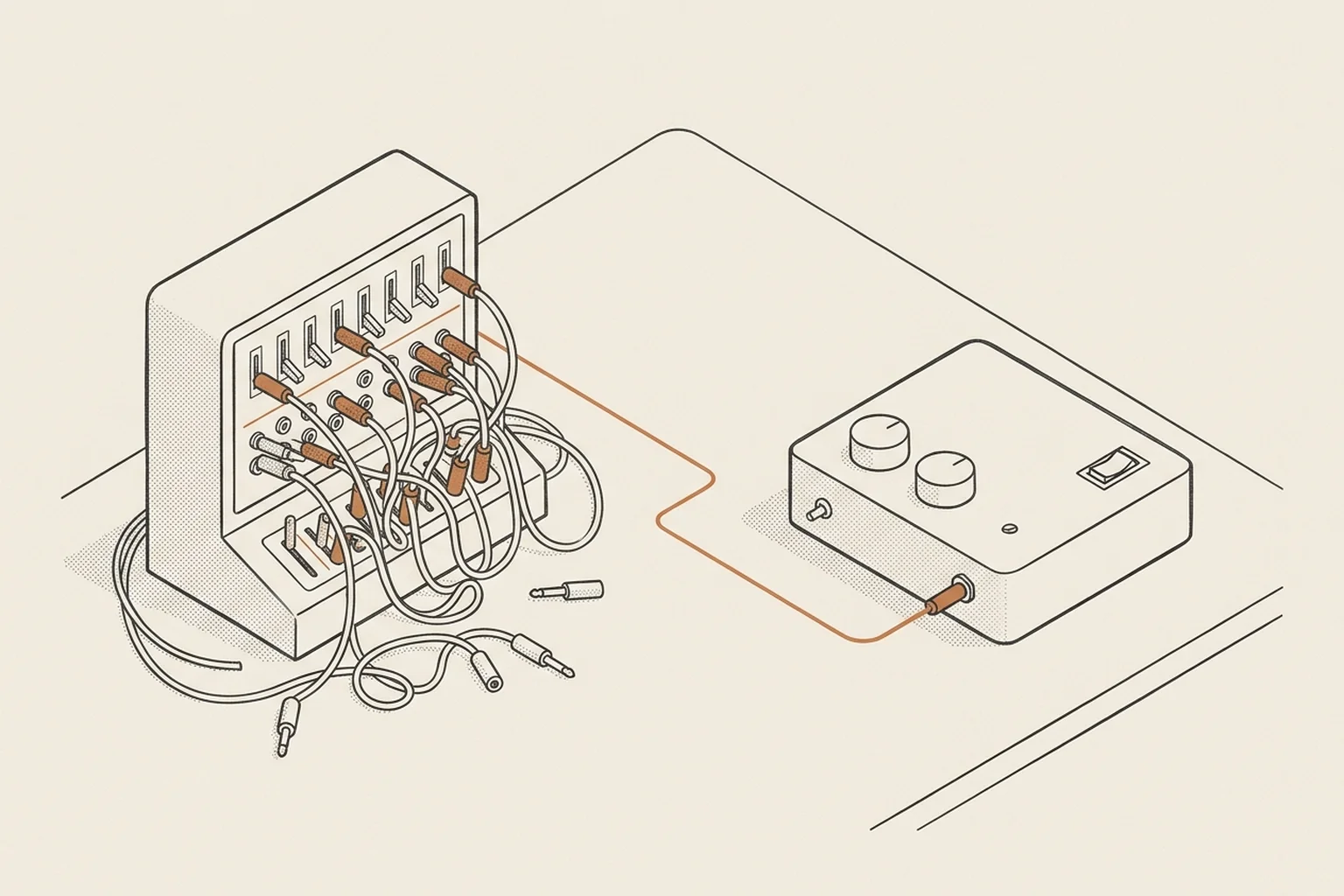
Drupal, and probably any CMS really, has become a bottleneck for humans now. Over the last few months, I keep running into the same problem: the CMS, in my case Drupal, stopped being an advantage and became the bottleneck.
The Shift in Productivity
Before, building a nice editor interface and reusable components was the key to speeding things up. It allowed teams to scale content quickly. Now, that same infrastructure slows me down.
On a few recent projects, I have no CMS at all. I built those sites AI-first from the start. I chose the stack with Claude in mind, so it’s comfortable for him first. Now I just talk to him and say what I need. He handles pages, design, and multilingual support. I bring the idea, and AI does the rest. Everything moves fast.
The Client Requirement Trap
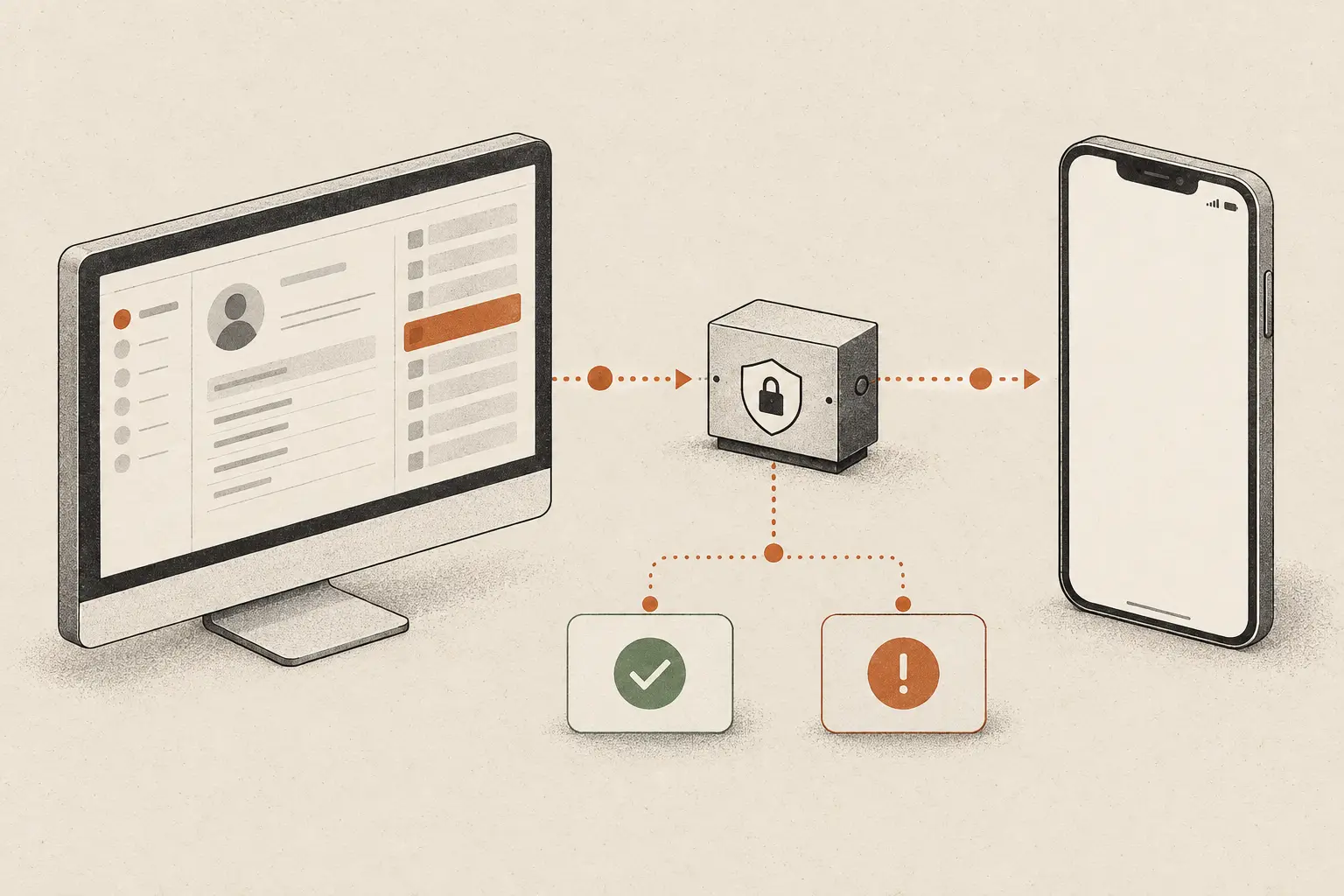
However, on several client projects, there is still a hard requirement to do everything through Drupal so editors can update pages manually. This is where everything slows down to basically fully manual work.
I’ve tried everything:
- Drupal MCP
- Custom API integrations
- Bulk Import/Export tools
None of it really helps when you compare it to the raw speed of AI-native development.
AI vs. Manual Assembly
Sure, I can ask an AI to create a simple term or a basic page. But creating a page with multiple paragraphs, beautiful design, well-chosen headings, colors, and images—this is still almost impossible to automate effectively within a heavy CMS.
While I’m manually assembling one landing page in Drupal, Claude manages to build an entire blog section from scratch in another project. It can handle the full design, scan social media posts from the last few months, write detailed articles for each, and publish everything before I’ve even finished setting up my first paragraph in the CMS.
Conclusion
The era of the “all-encompassing CMS” might be coming to an end for those who prioritize speed and AI collaboration. Moving forward, the stack should be chosen not just for the human editor, but for the AI agent that will be doing 90% of the heavy lifting.
ilf.studio — AI-native web studio, Gdansk, Poland.